
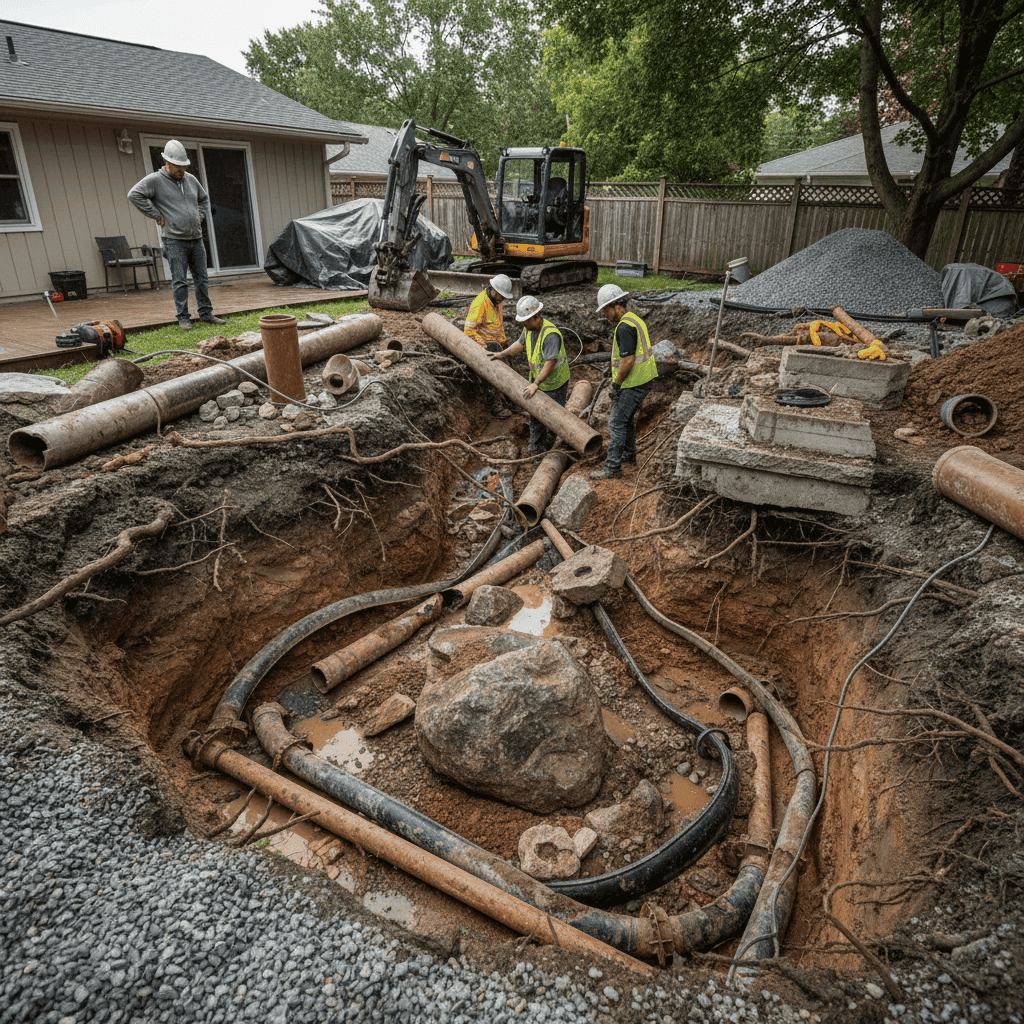
A simple clog that ends up needing a full drain replacement can lead to sticker shock. Homeowners and property managers often wonder why a basic plumbing fix jumps to a sky-high bill. Knowing the main reasons behind these big price hikes helps with planning, cutting down surprises, and picking the best plan for the job. This insight can save a lot of headaches and money, making the whole process smoother and less stressful. Keep reading to unlock tips that can keep your plumbing project on track and budget-friendly.
This article breaks down the main drivers that push drain installation costs up. I will explain material choices, labor and permit demands, site challenges, hidden repairs, and ways to control costs. Real world examples and practical tips will help you read quotes with more confidence.
Common drivers of rising drain installation costs
Several predictable elements tend to increase bills. Material upgrades, difficult access, the need for permits, extra labor hours, and unexpected repairs each add line items. Projects in older homes often involve multiple of these at once which compounds expense.
Consider a house where a kitchen line is failing under a concrete slab. The cheapest pipe type might be inexpensive but the work to reach it can dominate the final price. Contractors charge for time, risk, equipment, and compliance with local codes. When you add specialty tools or hazardous waste removal the total climbs further.
How pipe material choices affect installation cost
Pipe material determines both parts cost and the method used for installation. Common materials include PVC, ABS, cast iron, and newer flexible systems. Each has advantages and price implications.
PVC and ABS as budget friendly options
PVC and ABS are often the least expensive in material cost and easiest to fit. They are lightweight and fast to join which reduces labor time. For non load bearing applications and common household drains they are often the economical choice.
Cast iron and specialty materials where costs climb
Cast iron is heavier and more durable which makes it popular in multi unit buildings and for sound dampening. Handling and cutting cast iron require more time and specific tools which increases labor hours. Specialty materials that resist corrosion or handle high temperature drain lines will have higher parts cost and sometimes longer installation windows.
Labor skill level permit work and code requirements that add to price
Labor is one of the largest single components of a drain installation cost. Jobs that require licensed plumbers, certified technicians, or multiple crew members are more expensive. Local code requirements and mandatory permits can add both fees and time.
Permits often include inspection points that require revisiting a site after initial work. If the work fails inspection additional labor, corrections, or replacements become necessary. A simple sewer tie in can turn into a multi day effort when inspection cycles and permit approvals are involved.
Site conditions and access challenges that increase price
Where the pipe sits and how easy it is to reach it changes the scope dramatically. Open crawlspaces and basements are simpler. Slab foundations, landscaping overhauls, and confined spaces require more time and tools.
Buried lines under slabs and paved areas
Accessing drains below concrete slabs or driveways often involves concrete cutting or demolition. Concrete removal and replacement is labor intensive. If rebar, electrical conduits, or other utilities are present the effort to safely isolate the line can add hours to a job.
Obstructions and landscaping impact cost
Large trees, decks, patios, and decorative hardscaping can block simple excavation. When crews must work around these elements there are extra labor steps to protect the structure and to restore the area after the pipe is installed. Restoring landscaping or hardscape can sometimes be more costly than the plumbing itself.
Unexpected repairs and diagnostic work that raise bills
Hidden pipe damage, collapsed sections, root intrusion, and chronic blockages are common surprises. Before a full replacement can proceed a camera inspection or pressure test is often needed. These diagnostic steps are useful but add to the initial quote.
For example if a camera inspection reveals root intrusion in a lateral line the contractor may recommend replacement instead of patching. Replacement avoids repeated service calls but increases the immediate cost. Homeowners must weigh long term savings against the higher up front price.
How job size timing and supply market affect pricing
Contractors price jobs based on scale and scheduling. Small jobs still require travel time and setup which can make unit prices higher. During peak seasons or when materials are scarce prices can spike. Labor markets also influence hourly rates.
Longer lead times for specialty fittings or higher freight costs for certain pipe types can delay projects and increase expense. Scheduling a job during an off peak period sometimes yields lower rates or faster completion.
Practical tips to manage and reduce drain installation expenses
There are several practical strategies to keep costs reasonable without sacrificing long term performance. Below are clear steps you can take when planning a drain installation.
- Obtain multiple written estimates to compare scope not just price
- Request a camera inspection so you know the true condition before work begins
- Ask about material alternatives and their life expectancy to weigh value
- Schedule work in an off peak period to avoid rush premiums
- Bundle related repairs to save on mobilization fees
When you need professional help look for a local company with clear pricing and references. For residents in Orlando and nearby areas a visit to Brightwater Plumbing Of Orlando explains typical cost drivers and shows examples of past projects. A direct conversation with a contractor will help you understand which costs are fixed and where there is room for savings.
Smart questions to ask your plumbing contractor
Asking the right questions reduces surprises. When you get an estimate ask these items during the visit and in writing.
- Does the price include permits inspection fees and restoration work
- What type of pipe and fittings are included and why
- Will a camera inspection be performed and who pays for it
- What contingencies could increase the quoted price
- Are there warranty terms for parts and labor
Clear answers to these questions help you compare proposals on an apples to apples basis. If a contractor cannot provide concise responses that may indicate a vague scope or hidden charges.
When replacement is better than repair
Repair can be cheaper short term but repeated repairs add up. If a line has widespread corrosion or repeated blockages full replacement may be more economical in the long run. Longevity estimates for common materials can guide the decision.
For instance cast iron in older buildings may be near the end of useful life. Patching a few sections may delay failure by months but replacement removes the recurring cost and reduces the risk of emergency service calls. Conversely new installations in newer construction may be fine with lower cost materials if the expected lifespan matches your plans for the property.
Decisions should weigh immediate budget constraints against projected maintenance spending. Request life expectancy estimates and probable repair timelines from contractors when choosing between repair and replacement.
In projects with limited budgets ask for phased approaches. A plumber can often prioritize the most critical sections for immediate replacement and schedule follow up work later. Phasing preserves cash flow while addressing the most urgent risks first.
Finally record keeping matters. Keep inspection reports photos and invoices. These documents help if you extend warranties file insurance claims or sell the property. A transparent paper trail removes uncertainty when evaluating past work versus future needs.
Understanding why drain installation costs increase helps reduce surprises and makes the budget conversation easier. Material choices labor and access rules often explain most of the difference between two estimates. Hidden damage and permit related requirements account for many of the unexpected add ons. Use camera diagnostics request clear scopes and ask targeted questions when comparing bids. If you want a professional review of typical costs and examples in the Orlando area reach out for a site visit and a written quote. Taking these steps gives you better control over timing cost and outcome. Schedule an inspection and compare options so you can decide with confidence.