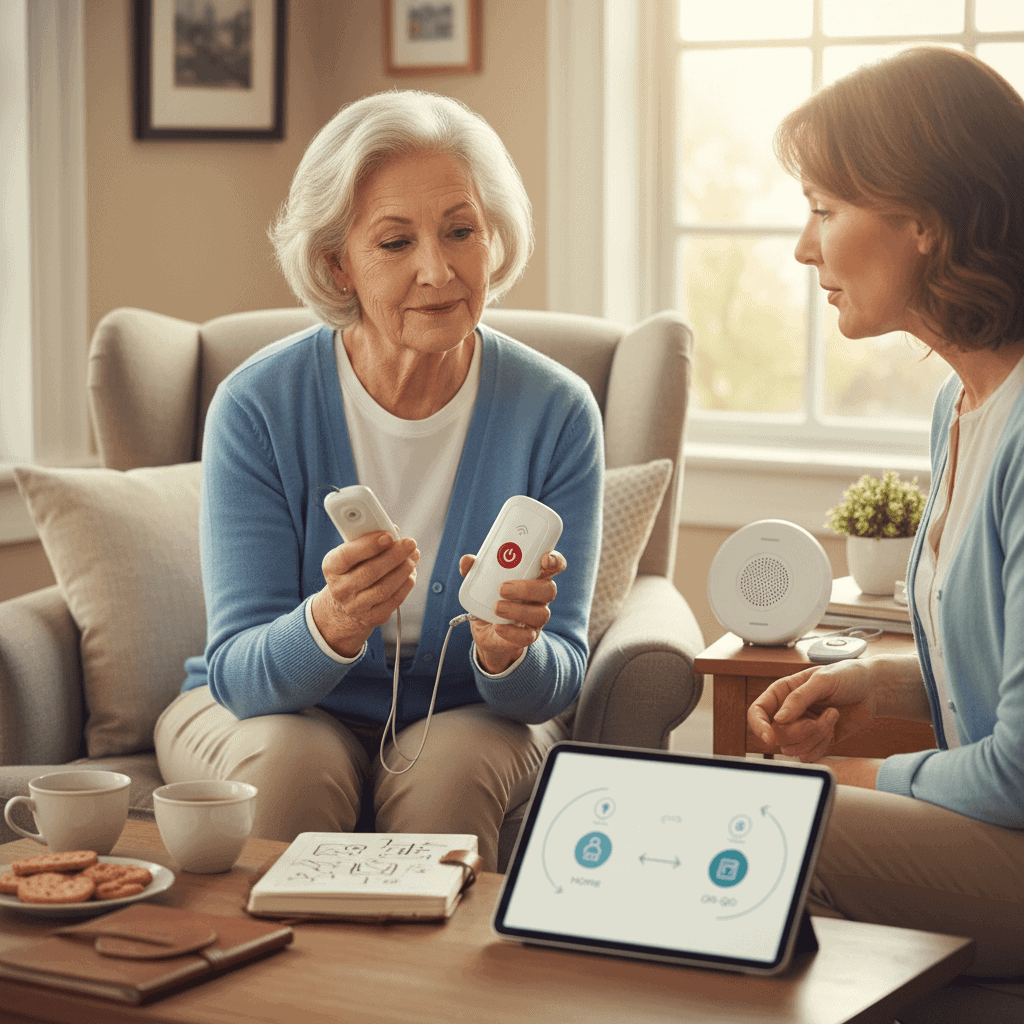
Picking between in-home or mobile medical alerts for seniors matters a lot for everyday safety and how quickly family members can jump into action during emergencies. Caregivers often hit a crossroads when an aging loved one starts facing risks like falls or sudden health issues. The ideal alert system cuts down wait times for help and fits in smoothly without shaking up daily habits. Imagine having peace of mind knowing help is just a button away, whether at home or on the go. This decision changes how emergencies play out, so keep reading to discover which choice matches real-life needs best.
This article breaks down real factors to weigh when selecting a service. I will walk through comparisons, features to prioritize, cost items, and simple testing steps you can use when shopping. Read on to get clear guidance and examples that apply to different living situations.
Why the decision matters for seniors and families
Medical alerts are more than gadgets. They shape how an older adult stays independent and how quickly help arrives after a fall or health episode. A wrong match can leave coverage gaps during walks or chores, or create barriers because a device is uncomfortable to wear. Choosing the right type reduces unnecessary calls and increases the chance of a timely response.
Think about daily routines and typical risks. A person who spends most time at home and rarely leaves the property may do well with a base station that connects to a home phone or a home cellular gateway. Someone who still drives and goes shopping needs a mobile unit with GPS. Identifying those patterns provides a clear starting point.
Key differences between in home and mobile alerts
Two main categories exist. In home systems are designed around a central base station that connects to a communicator and calls a response center when a button is pressed or a fall is detected. Mobile systems use cellular networks and GPS to locate the person while they are away from home. Below are important distinctions to keep in mind.
Coverage range versus GPS tracking
In home systems usually have a limited wireless range for the wearable device. That works well inside the house and on a small yard. Mobile devices connect to cellular towers and provide location information to responders. If the senior visits different neighborhoods or parks a lot, GPS tracking becomes important.
Response chain differences
With in home systems the base unit places the call and often has better audio quality for two way communication. Mobile systems rely on the wearable for voice or use the center calling a phone number. If hearing or speech issues exist, clarify how voice communication will work in each scenario.
Mobility and daily routines that determine the best pick
Match the device to lifestyle. If short walks around the block are common, or there is regular travel to appointments, a mobile option reduces the risk of being out of range. For someone who spends most hours inside a single level house, an in home unit is simpler and often less expensive.
- Frequent outings and errands choose mobile
- Mostly at home choose in home
- Active in a community with unpredictable routes choose mobile with strong GPS and fall detection
Test examples help decide. Try having the senior wear a mobile pendant during a typical week and track whether its size and battery life fit daily life. For an in home trial, walk around the house with the pendant to confirm it works in every room and the garage if that is used often.
Safety features to prioritize when comparing models
Not all features are equal in everyday use. Some add clear value while others are marketing extras. Below are features that commonly matter in real situations.
- Fall detection that is adjustable so it does not trigger with routine movements
- Two way voice that works with the unit even if the person cannot reach a phone
- Water resistance so devices work during showers or dishwashing
- Battery life long enough to go a few days between charges for mobile devices
- Service area coverage maps for mobile units to avoid dead zones
Look for simple testing functions built into the system. A weekly test button that reports to the monitoring center and logs the result gives clear feedback on reliability. A device that requires frequent resets can become a nuisance and may be turned off.
Costs and subscription choices to consider
Pricing breaks into two parts. One is the upfront hardware fee. The other is the recurring monthly monitoring charge. Some providers bundle the equipment with a long term contract. Others offer no contract at higher monthly rates. Compare total cost over a year to avoid surprises.
Upfront fees and monthly service
In home setups often have lower monthly fees and inexpensive base units. Mobile services use cellular data and GPS which raises the monthly cost. Consider how much the senior will use the mobile features. If outings are rare it may be cheaper to keep a landline and use an in home plan.
Hidden charges to watch
Watch for activation fees, cancellation penalties, and charges for replacing lost or damaged equipment. Also check if fall detection incurs extra cost. Some companies offer family plans or multiple devices for one fee which can be cost effective for couples or caretakers sharing responsibility.
Installation, maintenance, and testing protocols
Look for systems with clear installation guides and easy maintenance steps. Self install options keep cost down. Professional installation can be worth paying for when a home has connectivity issues or older wiring. Maintenance includes charging mobile devices, replacing batteries, and testing two way communication.
- Set a charging schedule for mobile pendants and mark reminders
- Run monthly tests with the monitoring center and write down the results
- Confirm water resistance periodically after drops or exposure
- Train the senior on how to use the button and what to say when connected
Practical tip: color code chargers and labels to make morning routines easier. A bedside basket that holds the pendant, charger, and instruction card reduces lost items and forgotten charging.
How caregivers and family integrate with monitoring systems
Caregivers want fast alerts and clear communication. Ask how alerts are routed. Some services contact a central monitoring team first and then notify family members. Others allow family to be primary contacts. Consider what works for your support network and how many calls a family member wants to receive at night.
Look into notification options such as text alerts, phone calls, and email. Confirm whether the service shares location info with designated contacts for mobile units. If a senior lives alone with limited social support, a service that calls emergency services directly may be a better fit.
For a side by side comparison of features, pricing, and practical recommendations visit this resource to continue reading
Common mistakes and how to avoid them
Buyers often pick the cheapest option without testing how it performs in real life. Another frequent error is failing to check cellular coverage for mobile devices. A mid range provider with reliable service coverage often beats the lowest cost plan that drops calls in certain neighborhoods.
- Do not assume a pendant will work through all walls and floors
- Do not skip a trial period when available
- Confirm the monitoring center location and typical response time
- Ask about training options for the senior and backup contacts
Try devices during different times of day and in different parts of town to see how GPS and call quality hold up. A device that works fine in daytime may perform poorly at night if coverage fluctuates.
Choosing based on health profile and risk factors
Medical history influences the choice. Frequent falls, seizures, or sudden cardiac issues push the decision toward devices with automatic detection and rapid responder access. Chronic conditions that require regular outdoor activity make mobile units more attractive. If cognitive decline is present, choose a device with very simple interaction and possibly GPS fences that alert when boundaries are crossed.
Talk with the senior and their health provider about the main risks and what a realistic emergency response looks like. A simple checklist of likely scenarios helps narrow down options quickly.
Conclusion with clear next steps
Picking between in home or mobile medical alerts for seniors does not need to be confusing. Start by listing daily habits and risk factors. Match those to the core features that matter most such as fall detection, GPS location, battery life, and the style of voice communication. Compare total costs over a year rather than focusing on a single monthly fee. Test devices in realistic settings and confirm monitoring center response practices before committing.
Practical next steps include scheduling demos, asking about trial periods, and confirming cellular coverage for mobile units. Talk through a simple emergency script with the senior and identify two family contacts who will receive notifications. Keep a written testing routine and assign responsibility so the system stays active and reliable. If you want a compact comparison and model suggestions to speed up the decision, consult reputable review pages and reach out to providers for a short trial. Taking these steps will help you choose a system that fits daily life while increasing the chances that help arrives when it is needed most. Now is a good moment to make a plan and test a device so you can move forward with confidence.