When your air conditioning system starts to lose cooling power or emits a musty smell it is a clear sign that it needs more than a quick filter swap. Professional aircon cleaners offer a range of services designed to restore performance, reduce energy use, and protect indoor air quality. Homeowners and building managers often underestimate how many distinct tasks fall under the heading of aircon cleaning and maintenance.
This article walks through the main services provided by aircon cleaners, explains why each service matters, and gives practical tips for spotting problems early. Read on for specific examples and guidance that will help you decide whether a simple tuneup will do or if a more thorough intervention is required.
Basic inspection and diagnostic checks
Every service visit should start with a thorough inspection. A technician will check visual signs of wear, listen for odd noises, and measure temperatures and pressures. The goal is to identify issues that affect comfort and running costs before they become more costly repairs.
- Visual inspection of indoor and outdoor units for corrosion, dirt build up, and pest damage
- Electrical checks including wiring condition and connector tightness
- Performance measurement using temperature split and pressure gauges to assess cooling capacity
- Simple tests for airflow problems that can indicate blocked filters or fan wear
By documenting readings technicians can compare future visits and spot gradual declines. This approach helps prioritize repairs and avoid unnecessary replacements.
Indoor unit cleaning and coil service
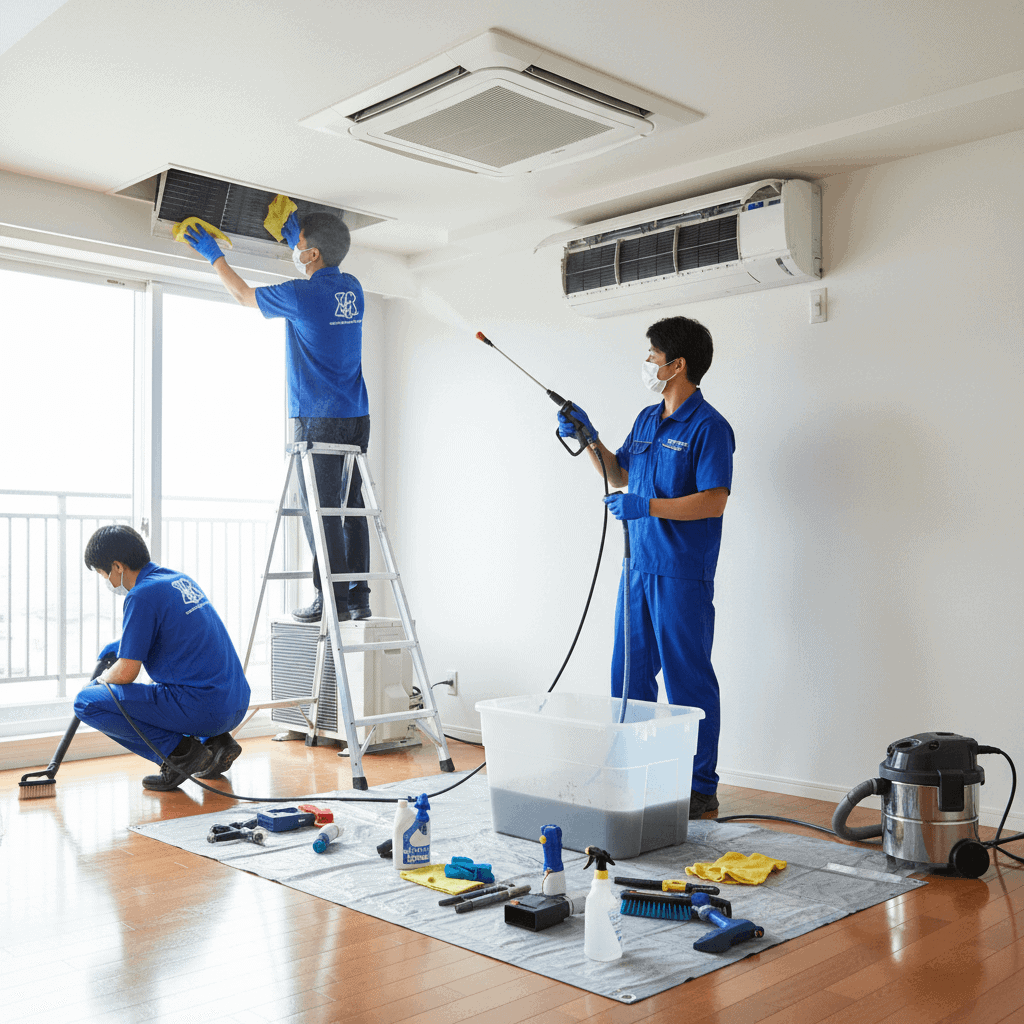
Indoor units accumulate dust and biofilm on evaporator coils and in the blower assembly. Left untreated these deposits reduce heat transfer and foster microbial growth. Professional coil cleaning restores airflow and heat exchange which improves efficiency and comfort.
Evaporator coil cleaning
Technicians use specialist cleaners and tools to remove grease, dust, and mould from coils. Methods include foaming agents that lift grime and low pressure rinses to avoid damaging fins. A clean coil improves cooling output and can reduce run times.
Fan and drip tray cleaning
Blower fans and condensate trays often hide sludge that causes odors and drain blockages. Cleaning these parts prevents overflow and removes a common source of indoor air contaminants. Technicians also check and clear drain lines to prevent water damage.
Outdoor unit and condenser care
Outdoor condensers are exposed to weather pollen and debris. Leaves, grass clippings, and dust reduce airflow through the condenser fins and raise compressor workload. A routine service includes careful cleaning of these components.
- Removal of leaves and debris around the unit
- Cleaning of condenser fins using soft brushes or low pressure washing
- Inspection of fan motors and belts for wear
- Checking mounting pads and vibration isolators to prevent noise and premature wear
For systems in dusty urban areas or near gardens this service can noticeably lower electricity bills and extend equipment life.
Duct and ventilation cleaning
For split systems ducts are limited, but for ducted systems the network of ducts can become a major source of dust and allergens. Professional duct cleaning removes accumulated debris and improves airflow balance across rooms.
- Inspection of ductwork using cameras to assess contamination levels
- High suction vacuuming combined with agitation brushes to clear dust and settled particles
- Cleaning or replacing grills and diffusers for even distribution of air
- Sealing minor leaks at joints to restore system efficiency
Well cleaned ducts reduce the load on filters and can improve comfort in rooms that used to be poorly served by the system.
Refrigerant handling and leak detection
Refrigerant leaks reduce cooling capacity and increase compressor wear. Licensed technicians perform leak detection and refrigerant recharge when required. They record charge levels so future services have a baseline to follow.
- Electronic leak detectors and dye tests to locate leaks in coils or piping
- Repair or replacement of small pipe sections and fittings where leaks are found
- Recharging to the manufacturer recommended refrigerant amount after repair
- Pressure testing to confirm system integrity
Because refrigerant handling requires certification it is not a DIY task. Proper charge and leak-free operation keeps performance steady and prolongs compressor life.
Sanitisation mould removal and odour control
Indoor air quality is a frequent reason people call aircon technicians. Services targeted at health concerns include safe sanitisation treatments and mould removal. These are important for allergy sufferers and spaces used by infants or older adults.
- Application of approved antimicrobial treatments to coils and drain pans
- Mould removal from blower housings and accessible duct sections
- Odour neutralising treatments that break down organic residues
- Advice on humidity control to prevent recurrence
Technicians will discuss options and risks because some chemicals are not appropriate for all settings. Many providers also offer non chemical alternatives for sensitive occupants.
Planned maintenance and service agreements
One off visits solve immediate problems. For steady performance many property owners sign up for planned maintenance. Agreements typically include scheduled visits, a checklist of tasks, and priority response for breakdowns.
- Regular filter changes and basic clean every three to six months depending on use
- Annual deep clean covering coils, fans, ducts and refrigerant health checks
- Discounts on repairs and emergency call outs for subscribers
- Written service reports that list observations and recommended next steps
Planned maintenance reduces surprise repairs and often pays for itself through lower energy use and fewer failures. Ask for a clear scope so you know what is included in each visit.
How to choose a reputable aircon cleaning provider
Choosing a provider is more than comparing price. Look for technicians with industry training and insurance for property damage. Read recent customer feedback and ask for examples of completed jobs similar to yours.
Local firms can be preferable because they understand regional conditions such as coastal salt exposure or urban dust. If you want to see specific service options and examples check this link that highlights typical offerings and contact details see what BrisbaneAirconCleaning offers.
- Request a written quote with an itemised list of tasks
- Confirm whether the quote includes chemicals parts and travel
- Ask about guarantees and follow up visits in case a problem returns
- Verify licences for refrigerant handling when relevant
Typical costs timeframes and frequency recommendations
Prices vary with system type size and local labour rates. As a general guide residential split systems often require a basic service between seventy five and two hundred dollars. More thorough work that includes coil treatment and duct cleaning climbs into the few hundreds. Large ducted systems can cost significantly more due to access and time required.
Frequency depends on use and environment. Heavy use in a pet home or a dusty location suggests service every three to six months. Typical homes without special conditions can do well with annual deep cleaning and filter care between visits.
- Quick check and filter clean every three to six months
- Full indoor and outdoor clean annually
- Duct cleaning every three to five years or when symptoms indicate
- Immediate check if odd noises smells or sudden performance loss occur
When assessing value consider energy savings and reduced repair rates. A system running well uses less power and avoids stress on the compressor which is the most expensive component to replace. Small preventive costs can sidestep large unexpected outlays.
Practical tips for homeowners and building managers
Small habits extend the life of a system. Replace or clean reusable filters on a schedule keep the area around outdoor units clear and maintain setpoint temperatures that avoid constant on off cycling. For rental properties provide tenants a simple guide on how to report symptoms early.
- Keep outdoor units free of vegetation and debris
- Vacuum or wash filters monthly during heavy use seasons
- Use a programmable thermostat to reduce needless runtime
- Keep vents unobstructed so airflow remains balanced
When in doubt call a technician for a short diagnostic visit. Often a small adjustment or cleaning can restore lost performance and improve comfort quickly.
Conclusion
Aircon cleaners provide a wide range of services that go well beyond simple filter swaps. Regular inspections and cleaning of indoor and outdoor components prevent losses in efficiency and protect indoor air quality. Duct cleaning refrigerant checks drain and drip tray work and sanitisation treatments each address specific problems that affect comfort and operating costs. Choosing a provider with training proper certification and transparent pricing reduces the chance of unexpected outcomes. Implementing a sensible maintenance rhythm and following simple homeowner tips will keep systems running reliably and extend equipment life.
If you want dependable baseline practice consider scheduling an inspection to create a service history for your system. A written report after a professional visit gives you clear next steps and helps you budget for future care. Take action now and arrange a service visit before the next high demand season so your system is ready when it is needed most.